You step up to the Chipotle counter and build your bowl. Chicken, rice, black beans, fajita veggies, salsa, cheese, and guacamole. It feels fresh and healthy, but how many calories did you actually put in that bowl? Because Chipotle is custom-built, your meal can range from a lean 400-calorie salad to a massive 1,500-calorie burrito loaded with fats and sodium. This calculator tracks your ingredients down to the macro—showing you exactly what your custom meal means for your daily goals.
What are fast food macros and how do they balance?
Tracking your macronutrients—protein, carbohydrates, and fats—is the simplest way to hit your fitness and body goals. When dining out, knowing how these three building blocks divide is key:
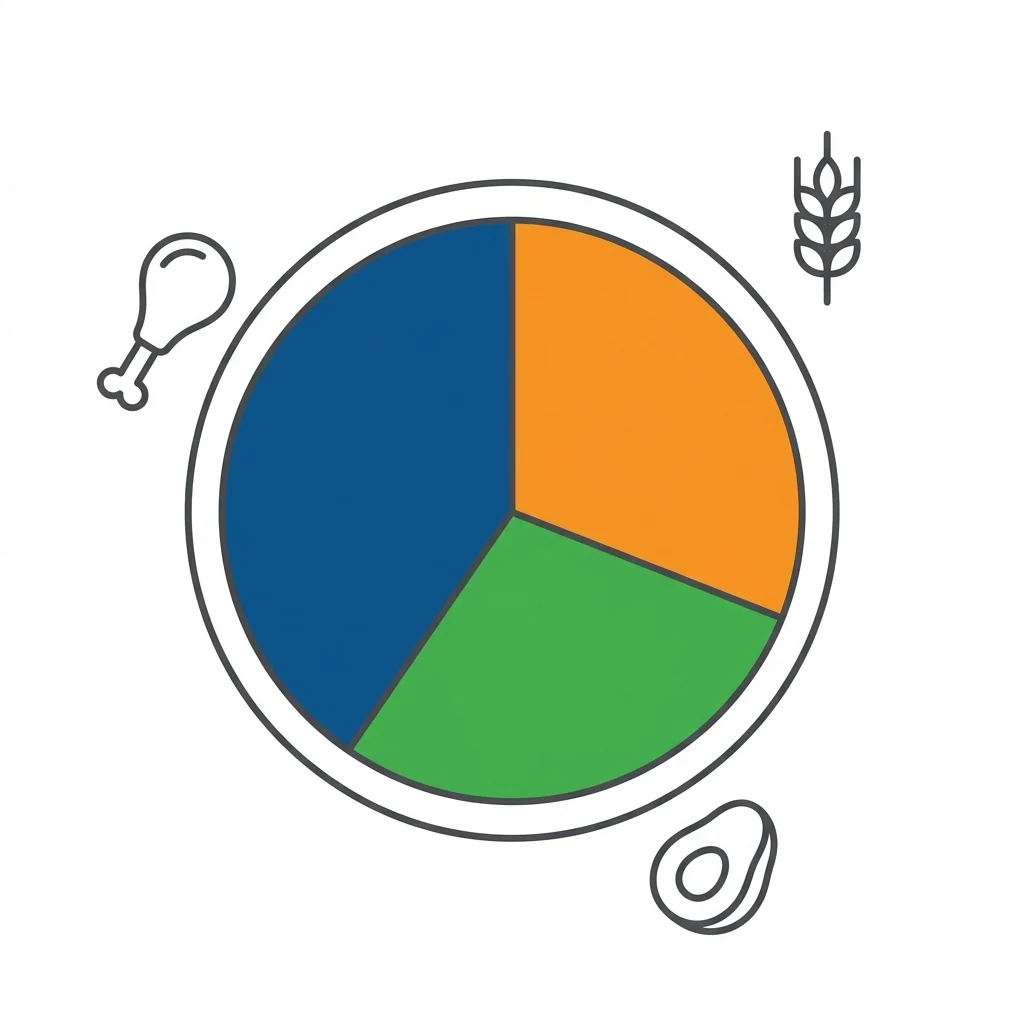
- Protein: Essential for building muscle and keeping you full. Opt for grilled meats like chicken or steak to stack protein without unnecessary fats.
- Carbohydrates: Your body's main energy source. Bases like flour tortillas, rice, and beans represent the bulk of the carbs in fast-food meals.
- Fats: Vital for health, but very calorie-dense. Creamy dressings, sour cream, cheese, and guacamole add fat grams quickly.
Why do sodium and fiber levels matter in your meal?
While calories and macros get the most attention, sodium and dietary fiber are just as important for healthy eating.
Fast food is notoriously high in sodium, which is used to enhance flavor and preserve ingredients. At Chipotle, seasoned meats, fresh tomato salsa, and queso blanco carry the highest sodium loads. If you need to watch your blood pressure, choose fresh romaine lettuce, and go light on processed salsas and cheese.
Dietary fiber is a beneficial carb that slows down digestion and stops energy crashes. Black beans, pinto beans, guacamole, and brown rice are excellent sources of fiber.
This table shows the caloric and fiber profiles of standard toppings:
| Chipotle Ingredient | Calories | Protein | Sodium | Fiber |
|---|---|---|---|---|
| Adobo Chicken | 180 kcal | 32 g | 310 mg | 0 g |
| Black Beans | 130 kcal | 8 g | 210 mg | 8 g |
| Fresh Tomato Salsa | 25 kcal | 0 g | 500 mg | 1 g |
| Guacamole | 230 kcal | 2 g | 370 mg | 6 g |
How do other restaurant nutrition calculators compare?
While tracking Chipotle is simple due to their modular ingredients, other major national chains offer different menu setups. Here is a guide to other popular restaurant nutrition tools:
1. Sandwich & Deli Chains
- Subway Nutrition Calculator: Helps you evaluate custom sub sandwiches, wraps, and salads. Bread choices (like Italian Herbs & Cheese vs. 9-Grain Wheat) represent the main carb sources. Choosing lean meats like turkey breast keeps fat low.
- Potbelly Nutrition Calculator: Tracks hot sandwiches, soups, and shakes. Potbelly offers a 'Skinny Sandwich' menu tier to default to lower calories.
2. Coffee & Bakery Chains
- Starbucks Nutrition Calculator: Crucial for tracking liquid calories. Standard lattes and blended drinks (Frappuccinos) can hide massive amounts of sugar. Swapping to non-fat milk, almond milk, or sugar-free syrups changes these values instantly.
- Dunkin Nutrition Calculator: Tracks donuts, breakfast wraps, and coffee drinks. Donuts and bagels are high-carb and high-fat items, while egg white wraps offer a protein-focused alternative.
- Panera Nutrition Calculator: Evaluates soups, salads, and bakery goods. Panera's menu is highly customizable, and their tool tracks changes like removing dressings or adding extra proteins.
3. Regional & Convenience Chains
- Qdoba Nutrition Calculator: Works similarly to Chipotle, offering burrito bowls and tacos. Qdoba's calculator helps you track how adding their signature 3-cheese queso affects daily macro limits.
- Wawa & Sheetz Calculators: Convenience store touch-screen ordering makes customizing sandwiches, hoagies, and bowls easy. Their calculators help commuters track calories on grab-and-go convenience meals.
- IHOP Nutrition Calculator: Evaluates traditional breakfast items like pancakes, omelets, and syrups. Regular pancake syrups add high sugar counts, while egg white omelets offer a high-protein option.
How can you customize a healthier fast food meal?
To build high-protein, calorie-conscious meals when dining out:
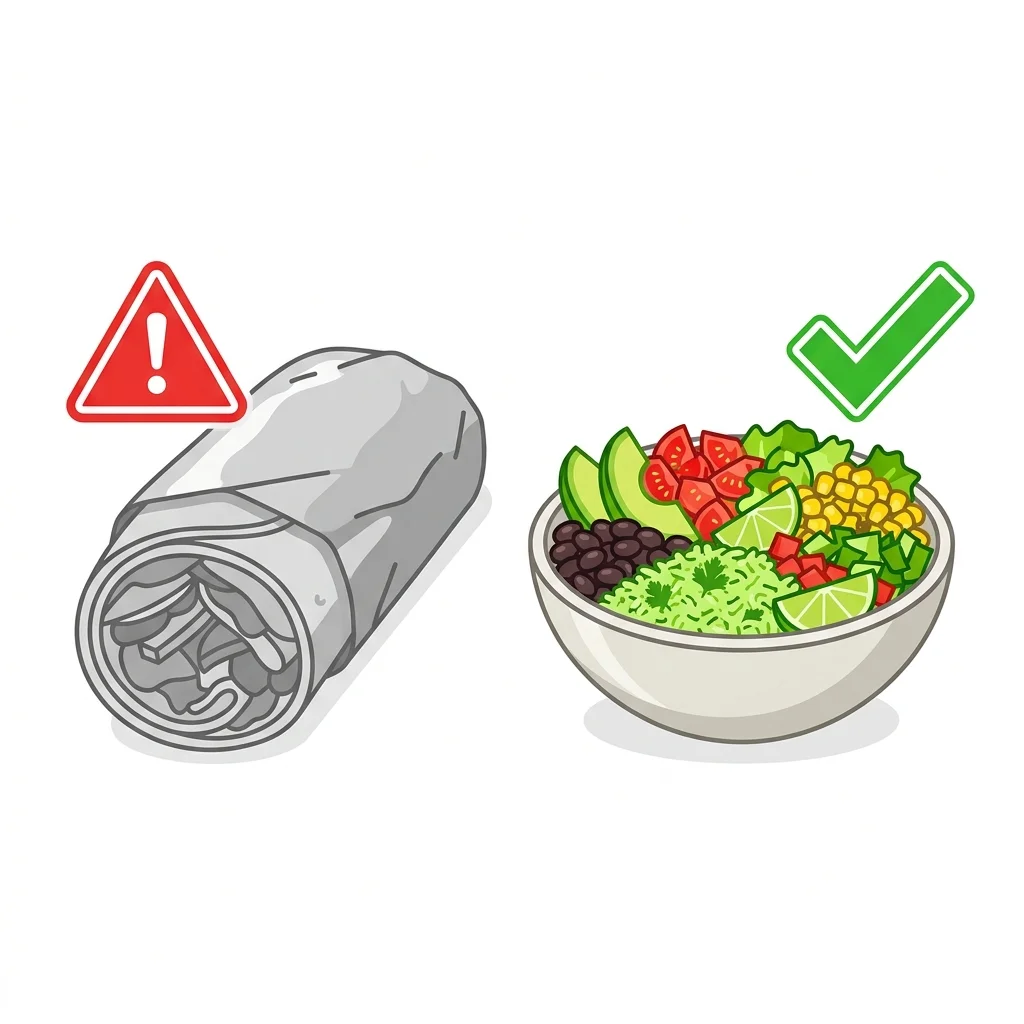
- Skip the Wrapper: Opting for a bowl instead of a flour tortilla or sub bread immediately saves 250–320 calories and significant carbs.
- Watch the Dressings: Creamy sauces (like chipotle mayo, sour cream, or ranch) are fat-dense. Ask for them on the side or swap them for fresh tomato salsas or hot sauces.
- Load up on Veggies: Adding fajita onions, peppers, romaine lettuce, or spinach increases volume and fiber without adding empty calories.
Step-by-Step Instructions
- 1Select your meal base (e.g. Burrito, Bowl, Salad, or Tacos).
- 2Choose your rice and bean varieties, and toggle double portions if desired.
- 3Select your protein option (Chicken, Steak, Carnitas, Barbacoa, or Sofritas).
- 4Select your toppings, salsas, cheese, sour cream, and guacamole.
- 5Review the dynamic Nutrition Facts label and caloric macro breakdown chart.